
Tooth sensitivity after filling is common, especially when you drink something cold or bite down, and it usually improves within a week or two. Mild sensitivity or tenderness can occur after a filling and often improves within a week or two. Recovery varies, particularly when the cavity was deep.
The most useful clue is how the pain behaves over time. A brief twinge that gradually improves is different from sharp pain whenever you bite, lingering sensitivity to temperature, or a toothache that keeps getting worse.
This guide explains possible causes, what you can do at home, and when to contact your dentist for an assessment.
| What You Notice | Possible Explanation | Recommended Next Step |
| Brief cold sensitivity that is improving | Temporary irritation following the filling | Monitor the trend and follow your dentist’s aftercare advice. |
| A sharp sensation when biting | The filling may be affecting your bite, or another problem may be present | Contact your dentist for an assessment. |
| Intense pain that lingers after heat or cold | Possible inflammation or damage involving the tooth pulp | Arrange a prompt dental assessment. |
| Spontaneous throbbing or increasing pain | An underlying dental problem may need treatment | Contact your dentist promptly. |
| Swelling, fever or severe persistent pain | Possible infection or another urgent condition | Seek urgent dental care; breathing or swallowing difficulty requires emergency medical attention. |
Why Does a Tooth Feel Sensitive After a Filling?
A dental filling restores an area damaged by decay or another small defect. Preparing the tooth and placing the restoration can leave the surrounding tissues temporarily sensitive, even when treatment has gone as planned.
Sensitivity is a symptom, not a diagnosis. Its cause depends on the condition of the tooth, the depth of treatment, the bite and any problems that were present beforehand.
Temporary Irritation of the Tooth Pulp
The pulp at the centre of a tooth contains nerves and blood vessels. Removing decay and preparing a tooth can cause temporary irritation, especially when a cavity was close to the pulp.
You may notice a short response to cold drinks, hot foods or pressure. Mild symptoms that become less frequent or less intense can be consistent with recovery. Strong, spontaneous or lingering pain is not something to dismiss as routine healing.
A Filling That Changes Your Bite
If a new filling is slightly higher than the surrounding biting surfaces, that tooth may contact its opposite tooth before the others do. This can make chewing uncomfortable.
Common descriptions include “this tooth hits first,” “my bite feels different,” or “it hurts when I chew on one spot.” A dentist can check how your teeth meet and determine whether a bite adjustment is needed.
Do not try to smooth or reshape a filling yourself. Pain when biting can have other causes, including a crack, so the tooth needs to be assessed rather than assumed to have a high filling.
A Deeper Problem in the Tooth
Sometimes, decay or damage has already affected the pulp before the filling is placed. A structural crack or another dental problem can also produce symptoms that become noticeable after treatment.
Persistent pain does not automatically mean you need root canal treatment. Your dentist will consider your symptoms and examination findings before discussing any additional treatment.
How Long Does Tooth Sensitivity After Filling Last?
Minor sensitivity and tenderness often improve within approximately one to two weeks. Some teeth settle sooner, while others, particularly teeth with deeper restorations, may remain sensitive longer.
There is no fixed timeline that proves a tooth is healthy. The direction of change matters: a brief response to cold that steadily improves is generally less concerning than pain that is worsening, lasting longer or occurring without a trigger.
You do not need to wait two weeks to contact your dentist if the pain is significant, your bite feels uneven, or you notice warning signs.
Is Pain When Biting After a Filling Normal?
A little tenderness may occur after dental treatment, but sharp or repeated pain every time you bite should be checked. One possible cause is a filling that interferes with your bite.
Your dentist may check where the teeth make contact, inspect the restoration and examine the tooth for other causes of pressure-related pain. An adjustment can help when the bite is the problem; it will not resolve pain caused by an unrelated crack or infection.
Why Does Cold Water Hurt a Tooth After a Filling?
A recently treated tooth may react more strongly to cold because the tissues inside it are irritated. If the feeling is brief and gradually improving, it may settle as the tooth recovers.
Tell your dentist if cold pain is severe, continues after the drink is gone, or is becoming more intense. Prolonged sensitivity can sometimes indicate a more significant pulp problem and may require further testing.
Temperature sensitivity can also arise from conditions other than the new filling, including exposed dentin, cracks and decay. The Ontario Dental Association’s guide to tooth sensitivity explains several of these possible causes.
What Can You Do at Home While the Tooth Settles?
If your symptoms are mild and your dentist has not given different instructions, these steps may make the tooth more comfortable during recovery:
- Choose softer foods and avoid chewing hard items directly on a tender tooth.
- Try room-temperature drinks if very hot or cold beverages trigger sensitivity.
- Brush gently with fluoride toothpaste and a soft-bristled toothbrush.
- Follow the specific aftercare instructions provided by your dental team.
- If pain relief is needed, ask a pharmacist about an appropriate over-the-counter medicine and follow the label directions.
- If your mouth is still numb, be careful not to bite your tongue, lip or cheek while eating.
These measures may help with temporary discomfort, but they cannot repair a damaged restoration, correct a bite problem or treat a dental infection.
When Should You Contact Your Dentist After a Filling?
Contact your dental office if the pain is worsening rather than improving, the filling feels too high, the restoration appears chipped or broken, or discomfort is interfering with eating or sleeping.
You should also contact your dentist if you notice any of the following:
- A sharp pain each time you bite or release pressure
- Intense or lingering sensitivity to hot or cold temperatures
- A persistent or spontaneous throbbing toothache
- Sensitivity that is not improving over time
- Swelling, fever or other signs of a possible dental infection
Severe ongoing pain, facial swelling or fever warrant urgent dental assessment. If swelling is accompanied by difficulty breathing or swallowing, seek emergency medical care immediately.
U Smile Dentistry provides emergency dental services in Orangeville. Contact the clinic to explain your symptoms and discuss the next appropriate step based on urgency and availability.
How Will Your Dentist Assess Pain After a Filling?
A follow-up visit does not necessarily involve replacing the filling. The first step is to identify why the tooth is uncomfortable.
Depending on your symptoms, your dentist may:
- Ask when the pain started and what triggers it
- Check whether your bite has changed since the filling
- Inspect the filling and surrounding tooth structure
- Assess the tooth’s response to cold or pressure when appropriate
- Recommend a dental X-ray if the examination indicates it is needed
Treatment depends on what these findings show. Options may include monitoring, adjusting the bite, repairing a restoration or treating an underlying tooth problem.
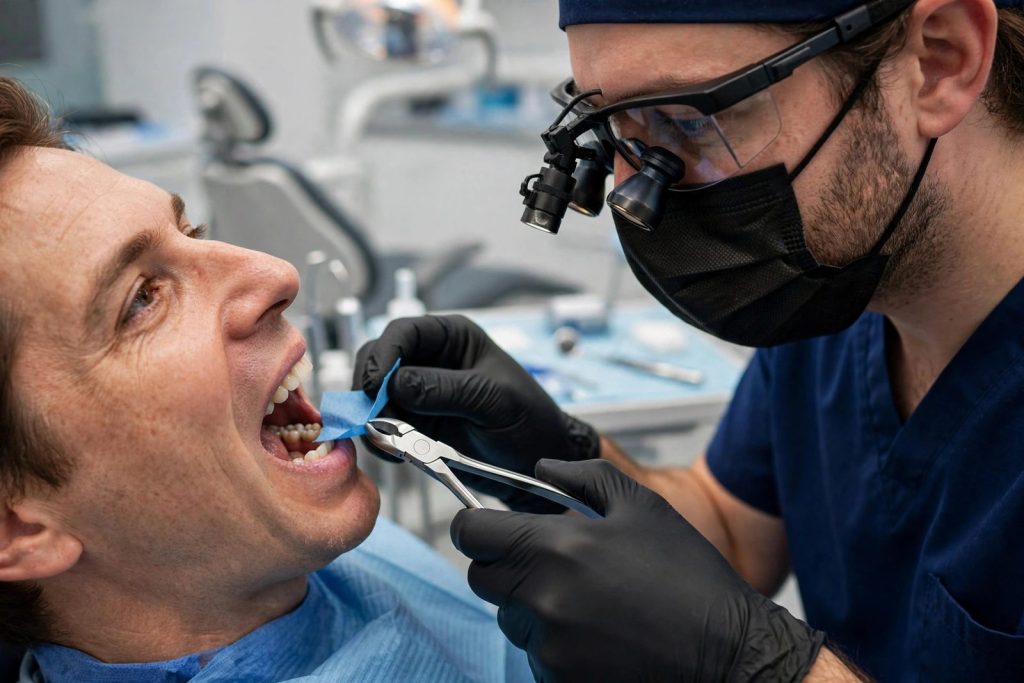
Is Your Tooth Still Hurting After a Filling?
U Smile Dentistry in Orangeville can assess persistent sensitivity, discomfort when biting and other concerns after a dental filling. Contact our team to discuss an appointment.
Does Pain After a Filling Mean You Need a Root Canal?
No. Many people experience short-term sensitivity after a filling without needing additional treatment. Pain caused by an uneven bite may improve after a suitable adjustment.
Root canal therapy may be considered if the tooth’s pulp is irreversibly inflamed or infected, but that decision requires clinical assessment. Pain alone cannot determine the treatment needed.
Tooth Sensitivity After a Filling in Orangeville
If a tooth remains uncomfortable after treatment, it helps to describe the pattern clearly when you call: when the filling was placed, whether the pain occurs with biting or temperature changes, and whether it is getting better or worse.
U Smile Dentistry can examine the tooth and discuss appropriate options based on the findings. For more information about the procedure itself, see our Dental Fillings in Orangeville service page.
To request an appointment, call (519) 307-6300 or use the U Smile Dentistry contact page. The clinic is located at 328 Broadway, Orangeville, Ontario.
Frequently Asked Questions About Tooth Sensitivity After a Filling
Is it normal for a tooth to hurt when biting after a filling?
Mild tenderness can occur, but sharp or repeated pain when biting should be assessed. The filling may be affecting your bite, although cracks and other dental problems can cause similar symptoms.
How long should cold sensitivity last after a filling?
Minor sensitivity often improves over a week or two, but recovery varies. Contact your dentist sooner if the pain is severe, lingers after the cold is removed, or becomes worse. This kind of tooth sensitivity after filling often fades gradually day by day, rather than stopping all at once.
Why does my filling feel too high?
Your teeth may not be meeting evenly when you bite. A dentist can check the contacts between your teeth and determine whether the restoration needs adjusting.
Can tooth sensitivity after a filling go away on its own?
Yes, temporary sensitivity often settles without further treatment. However, spontaneous, persistent or worsening pain needs professional assessment.
Does sensitivity after a filling mean the nerve is damaged?
Not necessarily. Short-term irritation is possible after treatment, particularly when decay was deep. An examination is needed to determine whether the pulp is recovering or has a more serious problem.
When is pain after a filling an emergency?
Seek urgent dental advice for severe persistent pain, facial swelling, fever or signs of infection. Difficulty breathing or swallowing requires emergency medical attention.
Sources Reviewed
- Ontario Dental Association — Tooth Sensitivity
- Cleveland Clinic — Dental Fillings
- Cleveland Clinic — Sensitive Teeth
- Canadian Dental Association (CDA)
- Royal College of Dental Surgeons of Ontario (RCDSO)
This article provides general educational information and does not replace an individual examination, diagnosis or treatment recommendation from a dentist.